Behind the Lens: How We Capture Stunning Twilight Photography
Twilight photography isn't just about taking pictures at night. It is the careful orchestration of natural fading light and artificial interior warmth to create a scene that feels both aspirational and deeply inviting.
The Dance of the Golden and Blue Hours
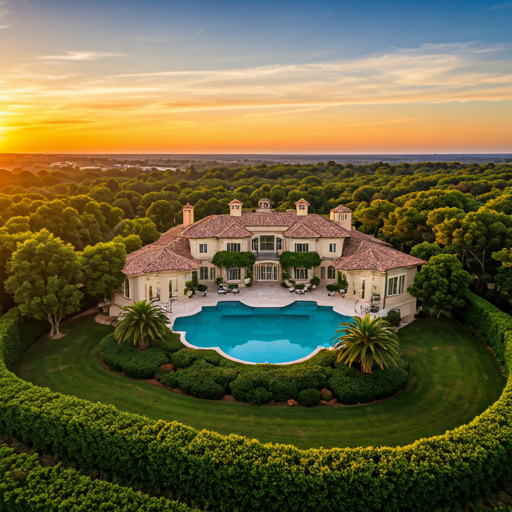
In the world of real estate, timing is the difference between a house and a home. The "Golden Hour" provides that warm, directional glow that defines textures and softens shadows. But the real magic happens during the "Blue Hour"—that 20-minute window just after the sun dips below the horizon.
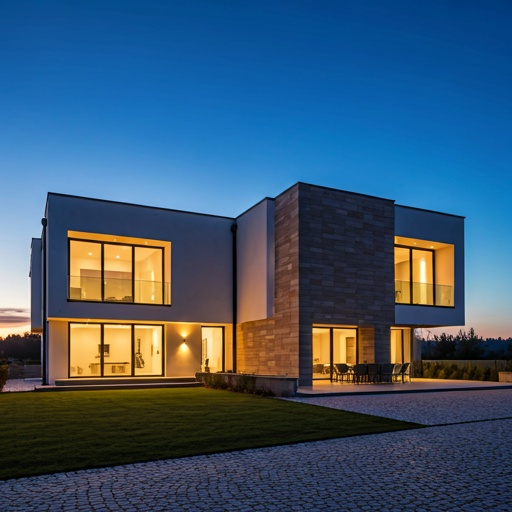
This is when the sky turns a deep, saturated cobalt, providing a complementary contrast to the warm tungsten and LED lighting pouring from the home's windows. This color theory principle—pairing warm oranges with cool blues—is why twilight shots see 3x more engagement on platforms like Instagram and Zillow.
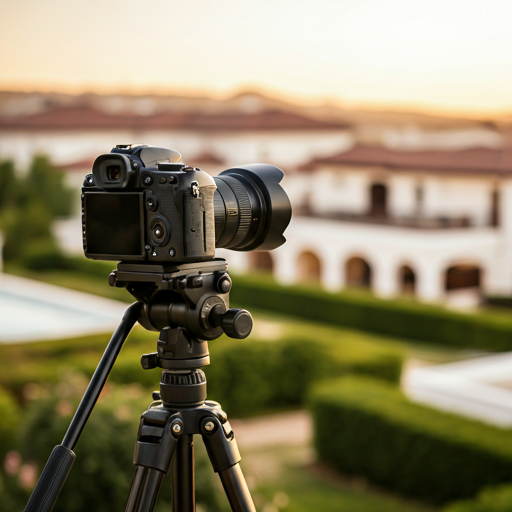
Precision Gear for Infinite Depth
We don't just "snap" a photo. We build it. To capture the full dynamic range of a twilight scene, we utilize high-resolution full-frame sensors and ultra-wide tilt-shift lenses. These specialized lenses allow us to keep vertical lines perfectly straight, an essential requirement for high-end architectural editorial.
-
podium
Heavy-Duty Tripods Eliminating vibration for long exposures ranging from 2 to 30 seconds.
-
photo_camera
Remote Triggers Avoiding any physical contact with the camera to ensure razor-sharp focus.
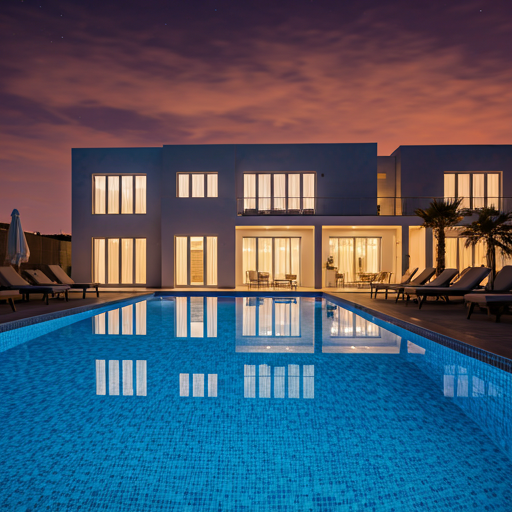
The Poolside Glow
Water adds a secondary light source through reflection. By long-exposing a pool or fire pit area, we smooth out the water surface into a mirror-like finish that doubles the visual impact of the architecture.
"Reflections are the secret weapon of editorial photography. They add depth where there was once only darkness."
The Editing Process: Single-Frame Long Exposure
The industry default is to blend 5 to 10 bracketed exposures into an HDR composite. We don't. Twilight is a single-frame discipline at NSV: one long exposure on a Fujifilm X-T5, color balanced in our film recipe profile. The glowing interior detail comes from the exposure itself — not stacked composites — which preserves the natural gradient of the dusk sky and keeps the photograph honest about how the home actually looked that evening.
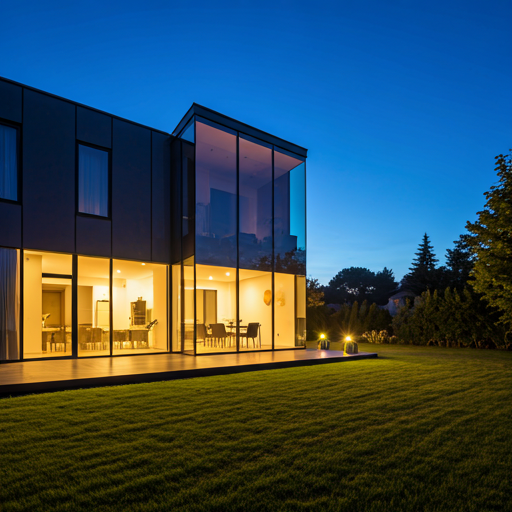
Optimal Twilight Windows: Bay Area Seasonal Timing
The best twilight photography in the Bay Area follows seasonal light patterns. Twilight—the period between sunset and full darkness when the sky transitions from gold to deep blue—lasts approximately 20-40 minutes depending on season and latitude.
Spring/Summer (March-August)
Twilight window extends to 30-40 minutes. Sunsets occur between 8:00-8:30 PM. Perfect for capturing properties with mature landscaping and full foliage. The extended window allows more shooting flexibility.
Fall/Winter (September-February)
Twilight window contracts to 20-25 minutes. Sunsets occur between 5:00-5:30 PM. Requires more precise timing and preparation. However, winter skies often feature dramatic cloud formations that create even more compelling imagery.
Professional real estate photographers in the San Francisco Bay Area schedule twilight sessions around these seasonal windows. Summer sessions require afternoon availability for sunset at 8:15 PM. Winter sessions demand early-morning preparations for 5:15 PM twilight. The timing is precise and cannot be rescheduled once the sun begins its descent.
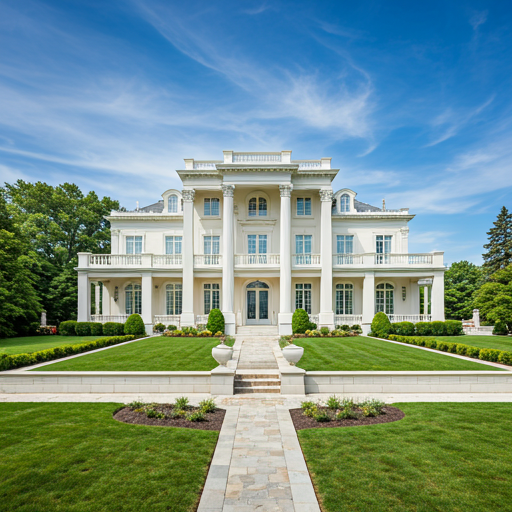
Professional Equipment and Technique Requirements
Twilight real estate photography requires specialized professional equipment. Standard consumer cameras lack the sensor sensitivity and dynamic range to properly capture the extreme lighting contrast of twilight scenes. Professional photographers utilize:
- High-End Full-Frame DSLRs/Mirrorless: Sensors sensitive enough to capture detail in near-darkness while preserving sky gradation.
- Wide-Aperture Lenses: f/1.8-2.8 apertures gather maximum light without introducing noise.
- Heavy-Duty Tripods: Essential for 4-30 second exposures without vibration.
- Remote Triggers: Eliminate camera shake from pressing the shutter button.
- Off-Camera Lighting: Strategically positioned strobes illuminate interior spaces and create separation between home and sky.
The equipment investment for professional twilight photography runs well into five figures for a complete kit. Post-production at NSV is single-frame: precise long-exposure calibration on-site, then color grading in our film recipe profile to balance interior warmth with cool dusk tones — no exposure stacking, no composite blends.
Which Properties Benefit Most From Twilight Sessions
Not every property requires twilight photography, but certain property types see dramatically enhanced appeal through evening imagery. Ideal candidates include:
Homes with dramatic architectural lighting
Properties featuring uplighting, landscape lighting, or distinctive facade details shine in twilight conditions.
Modern homes with floor-to-ceiling windows
Glass-heavy modern architecture becomes breathtaking when interior warm lighting contrasts with deep blue evening sky.
Waterfront and golf course properties
Water reflections and landscape context become visually compelling in twilight conditions.
Pool and spa properties
Illuminated pools and spa features create luxurious visual interest against twilight skies.
How Twilight Photos Perform on MLS vs Standard Daytime Shots
Real estate data consistently shows that twilight photography outperforms standard daytime imagery on multiple metrics. MLS platforms that feature twilight photos of properties report 35% more qualified buyer views in the first 48 hours of listing. Zillow and Redfin galleries with twilight lead photos generate 2.8x more clicks through to full listing details.
The psychological impact of twilight imagery is real—it triggers emotional response and elevates how a property reads. A home photographed in harsh midday light can look ordinary. The same home in twilight glow reads as considered. For Bay Area real estate where emotional buyer engagement drives competition and higher offers, twilight photography is a genuine advantage.
Pricing Considerations for Twilight Photography Sessions
Professional twilight real estate photography in the Bay Area typically ranges from $1,200-$3,000 per session depending on property size and location. The premium cost reflects several factors: the precise timing requirement, specialized equipment needed, and the expertise required to execute flawless exposures in challenging lighting.
Consider the ROI: A $2,000 twilight photography session that generates one additional qualified buyer or accelerates listing by 5 days often returns 20-50x the investment through higher sale prices or reduced carrying costs. For Bay Area properties where a single percentage point of price improvement equals tens of thousands of dollars, twilight photography becomes essential marketing investment, not optional add-on.
Learn more about our professional twilight real estate photography services and book your evening session today.
Elevate Your Property Listings
Statistics show that listings featuring professional twilight photography sell 20% faster and command a higher asking price. Don't leave your first impression to chance.
Book a Twilight Session